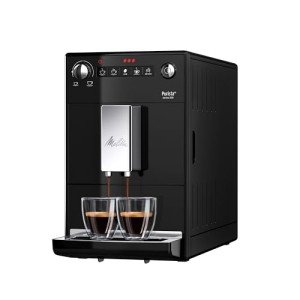
The Art of Italian Espresso Machines: A Brewed Tradition
Italian espresso machines are not simply devices; they are an essential part of Italy's abundant coffee culture, representing a blend of artistry, engineering, and design. Coffee enthusiasts worldwide recognize the importance of high-quality espresso, a staple of Italian life and food. This short article checks out the history, mechanics, types, and factors to think about when buying an Italian espresso machine, showing the depth of this beloved drink and its brewing methods.
History of Espresso Machines
The espresso machine's advancement go back to the early 20th century in Italy, where coffee was not merely a drink but a vital social routine. The preliminary attempts to brew espresso begun with simple, stove-top models, slowly evolving into intricate machines that could duplicate the best brew.
- 1901-- The First Espresso Machine: The first steam-powered espresso machine, understood as the "Ideale," was developed by Luigi Bezzera. Buy Coffee Maker marked a turning point in espresso brewing.
- 1938-- The Lever Machine: The intro of the lever machine made it much easier to control the pressure used in espresso extraction, boosting flavor consistency.
- 1947-- The Automatic Machine: Reaching more customers, Gaggia introduced the very first automatic espresso machine, additional promoting espresso bars.
- 2007-- The Digital Age: Technological improvements caused the birth of completely programmable machines, enabling users to tailor their developing settings to attain a personalized coffee experience.
Secret Features of Italian Espresso Machines
Italian espresso machines embody accuracy, workmanship, and development. Here are some crucial elements that highlight their significance:
| Feature | Description |
|---|---|
| Boiler Type | Figures out how heat is generated and maintained. Typical types include single boiler, dual boiler, and heat exchanger. |
| Group Heads | Where the coffee is brewed; commercial machines frequently have numerous group heads for effectiveness. |
| Pressure Control | Essential for accomplishing the best espresso; most machines run at 9 bars of pressure. |
| Frothing Capabilities | The steam wand permits milk frothing, essential for beverages like cappuccino and latte. |
| Construct Quality | The materials utilized (stainless steel, brass, and so on) impact resilience and heat retention. |
Kinds Of Italian Espresso Machines
Selecting the right machine hinges on user preferences, budget, and meant use. Below are the primary types of Italian espresso machines:
Manual Espresso Machines
- Pros: Offer full control over the developing procedure, permitting a customized touch.
- Cons: Require ability and practice, can be labor-intensive.
Semi-Automatic Machines
- Pros: Provide a balance between automatic and manual procedures; users manage water circulation.
- Cons: Can have a steeper learning curve than fully automatic machines.
Fully Automatic Machines
- Pros: Simplify the brewing process with push-button operations; perfect for newbies.
- Cons: May compromise a few of the subtleties of manual developing.
Super-Automatic Machines
- Pros: Grind, tamp, brew, and froth immediately; convenient for busy way of lives.
- Cons: Less control over the brewing variables, capacity for a less genuine espresso experience.
Purchasing Guide: Factors to Consider
Choosing the ideal Italian espresso machine can be challenging, but considering the following elements can streamline the decision-making procedure:
- Budget: Italian espresso machines range from affordable to high-end designs, so set a budget upfront.
- Use Frequency: Evaluate how typically you will use the machine; daily users may want a more resilient option.
- Space: Measure your kitchen or counter area; some machines can be big and need enough clearance.
- Upkeep: Consider ease of cleaning; machines with detachable parts or integrated cleansing functions may minimize maintenance.
- User Skill Level: Beginners may prefer fully or semi-automatic machines, while skilled baristas can handle manual machines.
- Brand Reputation: Research brand names understood for quality, such as Breville, Gaggia, and La Marzocco.
Popular Italian Espresso Machine Brands
Italian workmanship is renowned for producing some of the best espresso machines worldwide. Here are top brand names worth thinking about:
- Gaggia: Known for its home espresso machines and affordability.
- La Marzocco: A premium brand name understood for its commercial-grade machines and innovative technology.
- Rancilio: Renowned for its resilient develop and professional-quality machines ideal for home and commercial use.
- Sage/Breville: Offers advanced features and easy to use designs, ideal for both novices and enthusiasts.
Frequently asked questions
What is the distinction between espresso and routine coffee?
Espresso is a concentrated coffee brewed by requiring warm water through finely-ground coffee under pressure. It has a thicker consistency, richer flavor, and greater caffeine concentration than routine coffee.
Can I make milk-based beverages with an espresso machine?
Yes, numerous Italian espresso machines come with a steam wand to froth milk for beverages like coffees, lattes, and macchiatos.
How frequently should I clean my espresso machine?
Routine upkeep is vital. Usually, a thorough cleaning is advised every couple of weeks, while descaling ought to be done every 1 to 3 months, depending on water hardness.
What is the perfect pressure for brewing espresso?
The perfect pressure for developing espresso is around 9 bars. Espresso Machine Deals guarantees the ideal extraction of tastes from the coffee grounds.
Are more costly machines worth the financial investment?
Higher-end machines often utilize much better materials and technology, supplying improved toughness and more constant outcomes. For major coffee lovers, buying a great machine can raise the espresso experience considerably.
Italian espresso machines are much more than mere developing devices; they are an event of a cultural custom that has actually influenced coffee usage worldwide. With different models offered to fit any user's needs-- varying from newbies to experienced baristas-- there is an Italian espresso machine perfectly matched for everybody. As you embark on your espresso journey, understanding the history, mechanics, and alternatives will enhance your experience and gratitude for this time-honored beverage. Whether you look for to recreate a coffee shop atmosphere at home or fine-tune your developing technique, these machines can delivering extraordinary cups of espresso embellished with the rich history of Italian coffee culture.